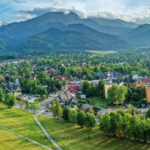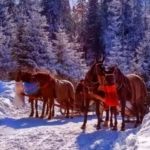

Zakopane is often called the Winter Capital of Poland, but as someone who has spent plenty of time navigating the road from Krakow, I will let you in on a secret: it is just as magical when the snow melts and the crocuses start peeking through the valleys. Getting from the cobblestone charm of Krakow to the rugged peaks of the Tatras is a rite of passage for any traveler in Poland. To truly enjoy the transition from the Renaissance architecture of the city to the raw, wooden folklore of the mountains, you need a solid plan. Here is a deep dive into how to make that journey, whether you want a curated experience or a solo adventure.
The Organized Way: Stress-Free and Scenic
If you only have a day or two and do not want to spend your precious vacation time staring at a GPS, deciphering complex bus timetables, or hunting for parking in one of Poland’s most crowded towns, an organized tour is the gold standard. Companies like Poland Travel Tours are local favorites for a reason. Their Zakopane Day Tour is essentially a best-of highlight reel designed to maximize your time without making you feel rushed. Instead of just dropping you at a crowded bus station, they curate an entire cultural experience from the moment you leave your hotel.
A typical day with an organized guide is much more than a simple commute. It often begins with door-to-door service, meaning you avoid the morning scramble to the train station. One of the biggest perks of these tours is the stop at a traditional wooden shepherd’s hut, known as a bacowka, in villages like Witow or Chocholow. Here, you will witness the centuries-old tradition of making oscypek, a smoked sheep’s cheese that is salted, shaped in wooden molds, and grilled over an open fire. Eating it warm with a dollop of tart cranberry jam while standing in a centuries-old village is an experience you simply cannot get from a window on a public bus.
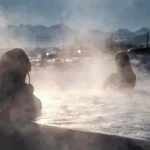
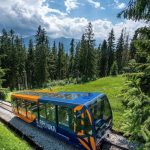
Most organized itineraries also include a ride on the Gubalowka Hill funicular. Your guide handles the tickets, so you skip the long queues and glide straight up the mountain for that iconic postcard view of the high Tatra range. Many travelers also opt for packages that include the Chocholowskie Thermal Baths. After a day of walking, soaking in 36°C mineral water while looking at snow-capped peaks is the ultimate way to end the trip.
The Bus: The Local Choice
For those traveling on a budget or with a very flexible schedule, the bus remains the most reliable form of public transport. You depart from the MDA Bus Station located right behind the main Krakow Glowny train station. Look for reputable local companies like Szwagropol or larger carriers like FlixBus. These run frequently, often every 30 to 60 minutes throughout the day.
The journey usually takes around 2 hours and 15 minutes, but you must be wary of timing. On Friday afternoons or Saturday mornings, the Zakopianka—the main artery leading south—can become a bottleneck. While the bus is affordable, usually costing between 30 and 55 PLN, it does require you to navigate the Zakopane bus terminal upon arrival, which is a bit of a walk from the main mountain trails and historical sites.
The Train: Scenic but Slow
The train ride from Krakow to Zakopane has seen a massive transformation recently. For years, track renovations meant the journey was a grueling four-hour slog that most locals avoided. However, with the upgrades mostly complete, newer Intercity or Polregio connections can now make the trip in about 2 hours to 2 hours 30 minutes.
The train is the winner when it comes to pure scenery. It winds through lush valleys and quiet highland villages that the main highway completely bypasses. It is a peaceful, nostalgic way to travel. My advice is to check the schedule carefully; if you can snag a seat on a direct Express InterCity train, it is a fantastic experience. However, if the schedule only shows regional trains with multiple transfers, you are better off sticking to the bus or a private tour to save time.
Expert Guide Tips for Your Mountain Escape
One thing every guide will tell you is to watch the traffic patterns. The Zakopianka road is notorious for a reason. During Polish bank holidays, the start of school vacations, or a particularly sunny winter weekend, a two-hour drive can easily turn into four. If you are heading down on a peak day, leave as early as possible—ideally by 7:00 AM—or rely on the train, which is the only way to truly bypass the highway gridlock.
You should also remember that the weather in the Tatras is a different beast entirely. Krakow might be a sunny 20°C, but Zakopane sits at a much higher elevation and follows its own rules. The temperature can drop ten degrees the moment you step off the bus, and the wind off the peaks is no joke. Even in the height of summer, I always tell my guests to pack a light waterproof jacket and wear sturdy shoes.
Finally, while Krupowki is the famous main pedestrian street and is great for a souvenir or a quick meal, try to venture beyond it. The real soul of Zakopane is found in its side streets and the residential areas of Kuznice. Look for the Zakopane Style architecture, characterized by intricate wooden villas with steeply pitched roofs and ornate carvings. These buildings were designed by Stanislaw Witkiewicz to preserve highlander culture against modern influences, and they remain the most beautiful part of the town.
The bottom line is that if you want the logistics handled and want to ensure you see the hidden gems like the cheese huts and thermal pools without the headache of planning, booking through an operator like Poland Travel Tours is worth the effort. It allows you to focus on the mountains rather than the map. But if you are a seasoned traveler who loves the challenge of the local commute, grab a bus ticket, pack an extra sweater, and enjoy the rugged beauty of the Polish highlands.