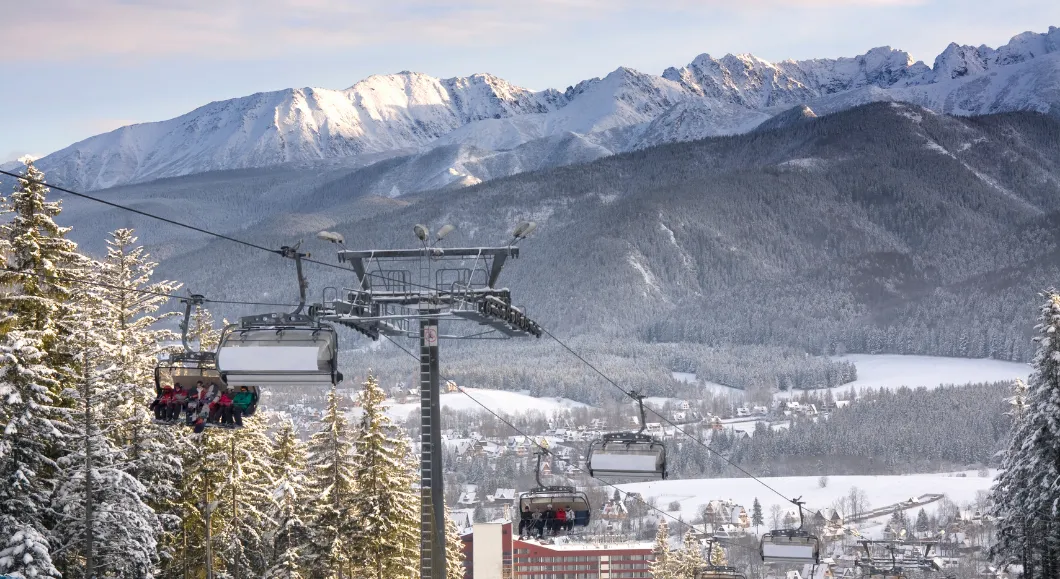
Skiing in Zakopane means choosing between two very different experiences: the high-mountain runs of Kasprowy Wierch, the only alpine skiing in Poland, and a ring of smaller, well-groomed resorts around town, many on one shared lift pass. Beginners and families do best at Polana Szymoszkowa or the larger Kotelnica Białczańska area; confident skiers should plan at least one day on Kasprowy. This guide covers where to ski, how lift passes work, renting gear and lessons, cross-country skiing and how to combine time on the slopes with other snow activities.
Skiing in Zakopane: where to go
| Ski area | Location | Best for | Notes |
|---|---|---|---|
| Kasprowy Wierch | Kuźnice, Zakopane | Advanced and confident intermediate skiers | High-mountain terrain, separate PKL pass |
| Polana Szymoszkowa | Gubałówka hillside, Zakopane | Beginners, families, evening skiing | Floodlit, artificial snow, children’s area |
| Harenda | North edge of Zakopane | Easy and intermediate runs | Close to town |
| Nosal | Near Kuźnice | Short sessions | Small, historic slope |
| Kotelnica Białczańska | Białka Tatrzańska | Intermediates, families who want variety | One of the largest areas in the region, next to Terma Bania |
| Other Tatry Super Ski resorts | Bukowina, Jurgów, Witów and more | Variety over several days | One pass for all |
Kasprowy Wierch: high-mountain skiing
Kasprowy Wierch (1,987 m) is the reason many experienced skiers come to Zakopane. The cable car from Kuźnice takes you to the top station at 1,959 m, from where two chairlifts serve the Gąsienicowa and Goryczkowa basins on either side of the ridge. The runs are long by Polish standards, steeper than elsewhere in the region and only partly groomed, with natural snow and real mountain weather.
- Who it suits: confident red-run skiers and above. If you are still working on parallel turns, stick to the resorts around town first.
- Passes: Kasprowy is run by PKL and is not part of the regional Tatry Super Ski pass. Buy passes online at pkl.pl; standard passes include a set number of cable-car rides, so plan your day around the chairlifts at the top.
- Conditions: the season usually runs from December to April, depending on snow. Wind can stop the cable car and lifts, and fog is common, so check the status on the morning you go.
- Off-piste: the slopes beyond the marked runs are avalanche terrain inside a national park. Ski touring is popular here, but only with avalanche equipment, experience and a check of the daily avalanche bulletin on topr.pl.
Ski resorts around Zakopane on one pass
Most of the resorts in the Tatra foothills share the Tatry Super Ski pass, which covers well over a dozen ski areas in Poland and several across the border in Slovakia. In Zakopane itself it is valid at Polana Szymoszkowa and Harenda; nearby, it covers the Białka Tatrzańska resorts (Kotelnica, Kaniówka and Bania), Rusiń-Ski in Bukowina Tatrzańska, Jurgów, Witów and others.
How the pass works
- Day, multi-day and time-based passes, including afternoon passes valid for four hours from 4 pm, are a good option for evening skiing.
- Prices are higher in the high season, roughly from early January to early March, which covers the Polish school winter holidays.
- Reduced passes are available for children and seniors; small children under 120 cm can ski free with a paying adult.
- Buying online before the season usually saves money compared with the ticket office.
Polana Szymoszkowa
The easiest place to ski within Zakopane. The slope faces the Tatras from the Gubałówka hillside, so you ski towards the view. It is groomed, floodlit and covered with artificial snow, with a children’s area at the bottom station, which makes it a good first day for beginners and a fun evening session for everyone else.
Kotelnica Białczańska and Białka Tatrzańska
About half an hour’s drive from Zakopane, Białka Tatrzańska has the largest choice of runs in the area, with modern chairlifts and wide, groomed slopes. It is especially good for intermediate skiers and families who want variety, and the Terma Bania thermal baths at the foot of the slopes are a welcome end to the day.
Renting gear and taking lessons
- Rental: ski and snowboard rentals are found at almost every resort and in town. Renting at the resort saves carrying skis; renting in town lets you collect gear the evening before.
- Lessons: ski schools operate at all the main resorts and offer private and group lessons, including lessons for children. In peak weeks, book instructors in advance.
- Helmets: under Polish law, children and teenagers under 16 must wear a helmet on the slopes; it is a good idea for adults too.
- Transport: some resorts are reached by local minibuses or ski buses, but a car or transfer makes multi-resort days much easier.
Cross-country skiing near Zakopane
If you prefer gliding to downhill, Kościelisko, just west of Zakopane, has marked cross-country loops through open meadows facing the Tatras, including a longer loop of about 10 km and a shorter recreational one. In town, a marked cross-country track runs across the Rówień Krupowa park when there is enough snow. Equipment can be rented locally. Inside the national park, the wide tracks of valleys such as Dolina Chochołowska are also used for cross-country skiing in good conditions.
Snow activities beyond skiing
Not everyone in your group needs to ski. For a full overview of winter activities, including the cable car, thermal baths and the Ski Jumping World Cup, see our guide to the best things to do in Zakopane in winter. A few options pair particularly well with a ski holiday:
Snowmobile safari on Gubałówka
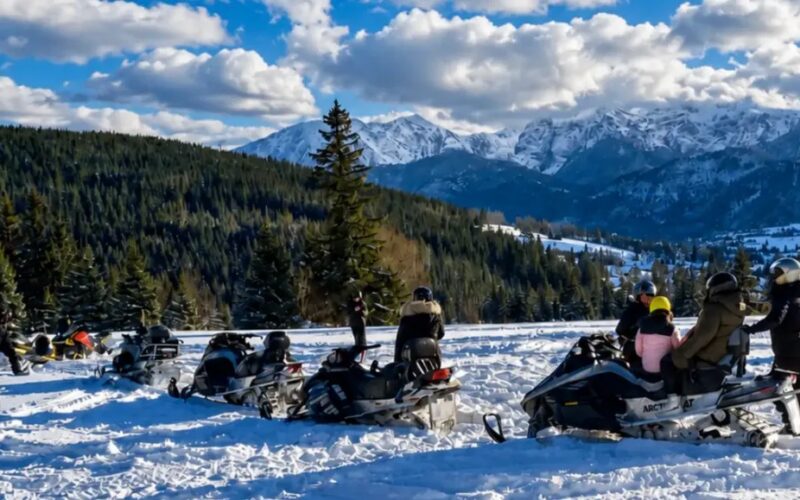
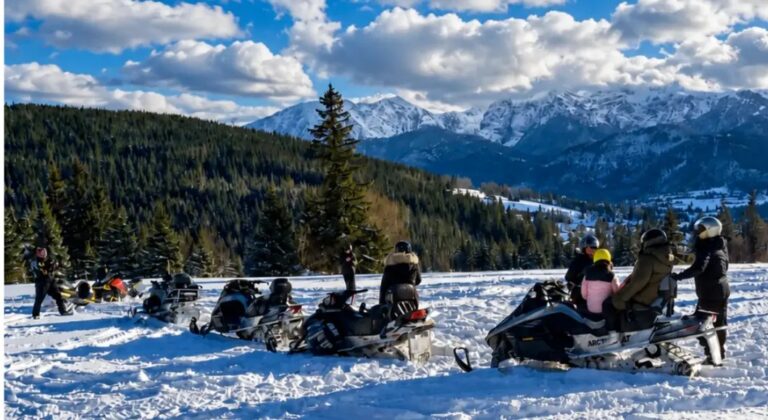
On a rest day, our snowmobile safari on Gubałówka has you driving a two-seat snowmobile above Zakopane with a view of the Tatras. No experience is needed, and there is a choice of a one-hour or three-hour ride.
Evening sleigh ride in Kościelisko
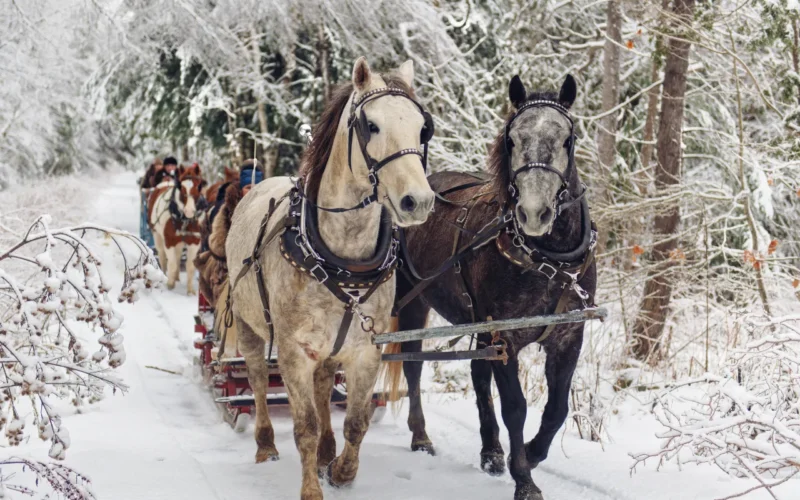
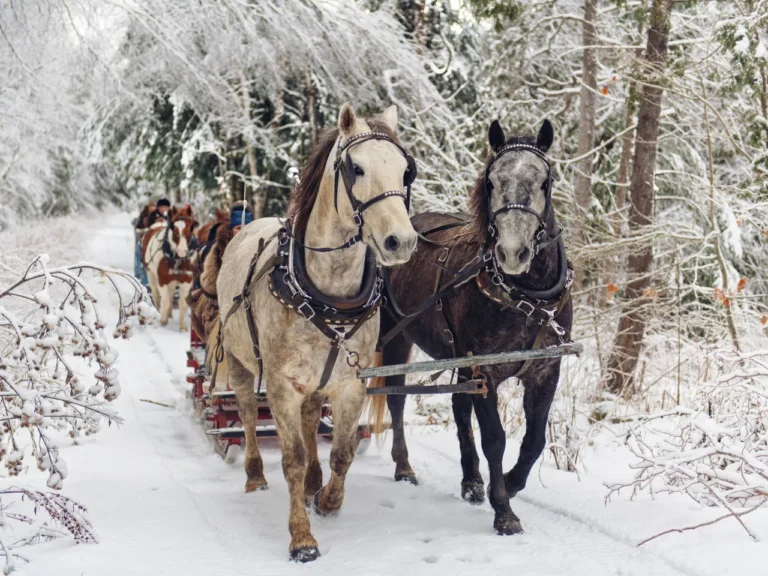
After a day on the slopes, an evening sleigh ride is pure relaxation. Our sleigh ride in Kościelisko takes you through snowy fields under the stars, followed by a bonfire with sausages and highland music.
Tips for a smooth ski trip
- Avoid peak weeks if you can: during the Polish school winter holidays, slopes and roads are at their busiest. Mid-December and March are quieter.
- Start early: lift queues are shortest in the first hour, and on Kasprowy the visibility is usually best in the morning.
- Use evening skiing: floodlit slopes such as Szymoszkowa and Białka let you ski when the day crowds have gone.
- Check snow and lift status daily: conditions change quickly, especially early and late in the season.
- Dress in layers: it can be mild in town and freezing with wind at the top of Kasprowy.
FAQ
Is Zakopane good for skiing?
Yes, especially for beginners, families and intermediates, who have many groomed resorts within a short drive. Expert skiers will find the most interesting terrain on Kasprowy Wierch, though the overall ski area is smaller than in the Alps.
When is the ski season in Zakopane?
Most resorts open in December, depending on snow and temperatures, and stay open until March. Kasprowy Wierch often keeps skiing going into April.
Is Kasprowy Wierch included in the Tatry Super Ski pass?
No. Kasprowy Wierch has its own PKL lift passes. The Tatry Super Ski pass covers Polana Szymoszkowa, Harenda, Białka Tatrzańska and many other resorts in the region.
Where should beginners ski in Zakopane?
Polana Szymoszkowa in town and the gentler slopes at Białka Tatrzańska are good places to start, with ski schools and rental on site.
Can I ski in Zakopane without a car?
Yes. Polana Szymoszkowa and Harenda are close to town and Kuźnice is easy to reach by minibus. For Białka Tatrzańska and other resorts, a ski bus, taxi or transfer is the simplest option.